TP 300 Pad Printing Ink
APPLICATION
Pad printing ink range TP 300 is appropriate for a vast variety of applications. TP 300 inks are especially suitable for printing on various thermoplastics such as pre-treated polyolefines, i.e. polypropylene (PP), polyethylene (HD-PE, LD-PE), PMMA (“acrylic glass”), polycarbonate (PC), polyamide (PA). They are also suitable for polyester, polyacetal (POM, flame-drying), polyurethane, rigid PVC and polystyrene. In addition, for various duroplastics, metals, coated surfaces, CDs, wood and paper.
TP 300 inks are used for a variety of technical-industrial applications, toys and promotional articles.
PROPERTIES
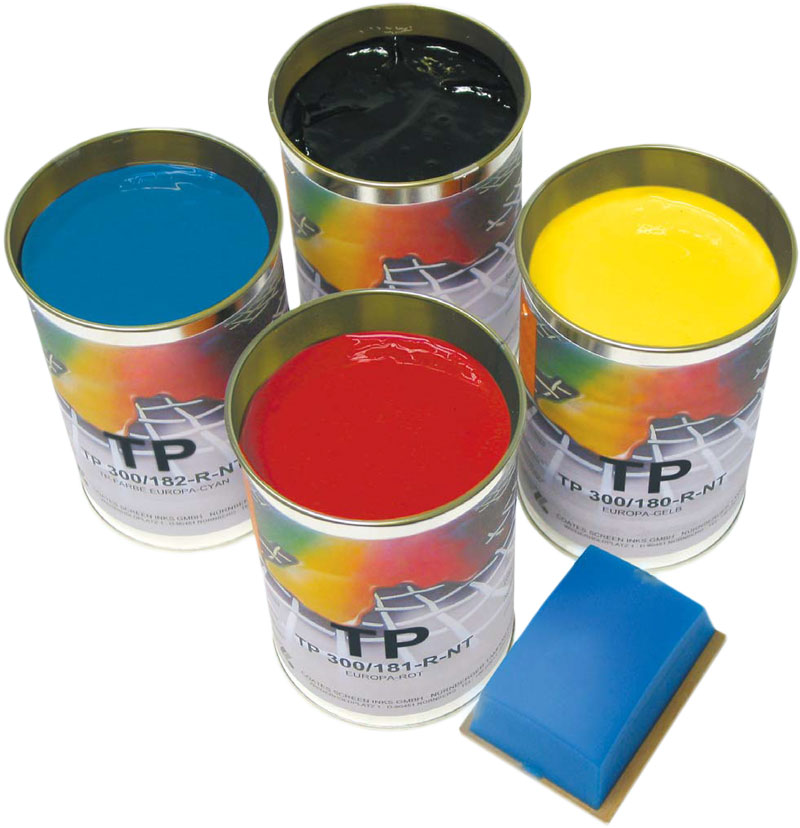
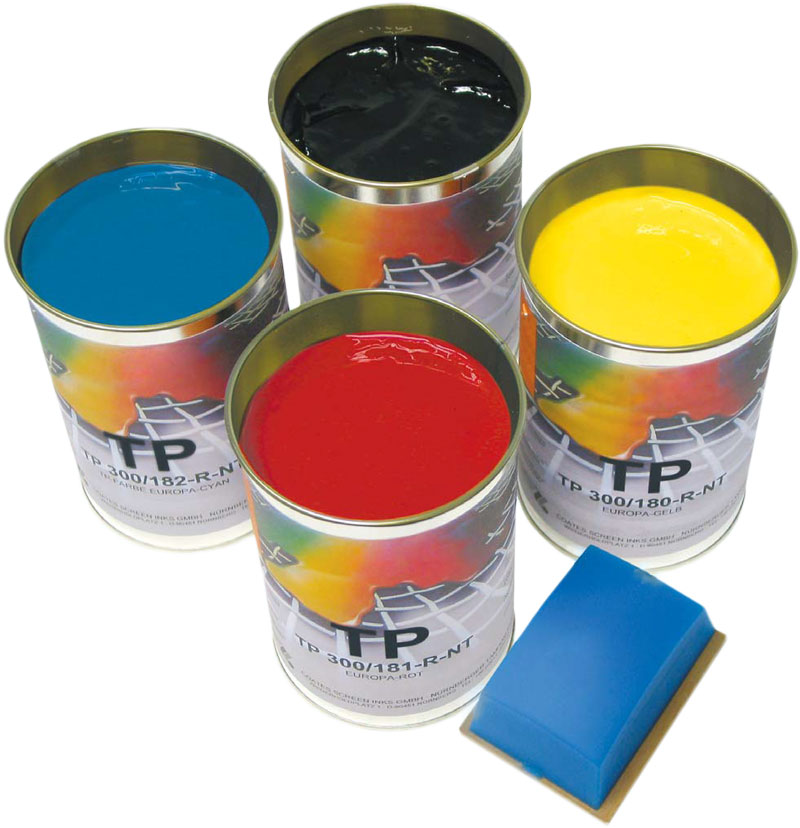
• Pad inks TP 300 are solvent based pad printing inks. They can be processed as 1-component and (alternatively) as 2-component ink with hardener.
• Processed as 1-component ink TP 300 dries physically, as 2-component ink physically chemically-reactive and results in a satin gloss finish.
• TP 300 inks can be processed on a variety of pad printing machines, from various flat systems to quick running rotation systems.
• The ink system shows an exceptionally easy and reliable printability.
• Processing as 2-component ink will further increase ink adhesion properties on difficult substrates such as pre-treated PP or PE.
• This ink system shows good resistance against filling products, e.g. cosmetics and chemicals, especially when processed as 2-component ink.
• TP 300 inks are suitable for medium-term outdoor applications.
• We also offer a cyclohexanone free adjustment of this ink range, TP 300-111580 (see separate product data sheet).
• TP 300 inks are certified according to USP Medical Class VI. They can be used for printing onto medical devices.
• Note: Because of the variety of substrates, pre-tests are essential. It is also advised to check efficiency of possibly required pre-treatment of substrates (cleaning/degreasing, flame/corona/plasma treatment) or maybe even post-treatment (flame-drying).